
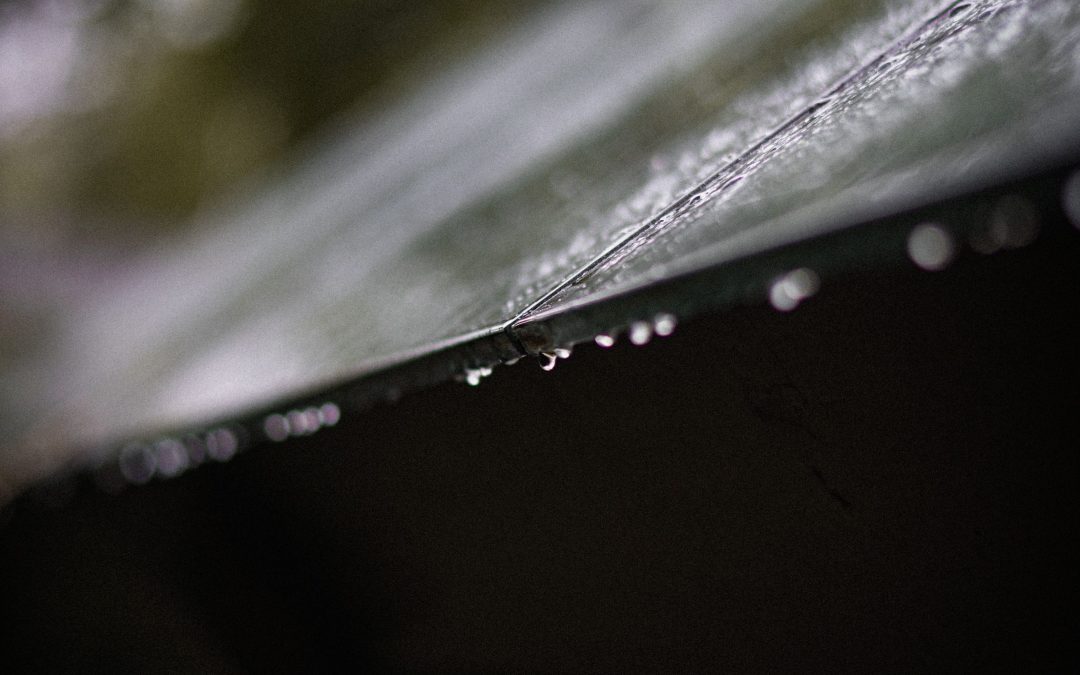
Noticed water droplets forming on your conservatory roof as the temperatures start to drop? Condensation is a common problem during the colder months, particularly in conservatories with older glass or polycarbonate roofs.
You might find water running down the panels in the morning, damp patches appearing around the frames or even droplets falling onto your furniture. While occasional condensation is not necessarily a sign of a serious problem, persistent moisture should not be ignored.
Understanding why condensation forms can help you manage it and decide whether your conservatory would benefit from improved insulation.
Why Does Condensation Form on a Conservatory Roof?
Condensation forms when warm, moist air comes into contact with a colder surface. As the air cools, it can no longer hold the same amount of water vapour, causing moisture to collect as droplets.
During winter, conservatory roofs can become particularly cold because they are exposed to low outdoor temperatures. When warmer air inside the room rises and touches the cold underside of the roof, condensation can develop.
This is especially common with older glass and polycarbonate roofs that offer limited thermal insulation.
The problem can become more noticeable overnight or first thing in the morning, when outdoor temperatures are at their lowest.
What Causes Excess Moisture in a Conservatory?
The roof temperature is only part of the problem. The amount of moisture in the air also plays an important role.
Common sources of excess indoor humidity include:
- Cooking: Moisture from cooking can travel into adjoining rooms and reach the conservatory.
- Drying clothes: Air-drying laundry releases water vapour into the surrounding air.
- Plants: Soil and plant leaves can release moisture, particularly when several plants are kept in a small space.
- People: Everyday activities, including breathing, contribute to indoor humidity.
- Poor ventilation: Keeping windows and doors closed for long periods can allow moisture to build up.
If your conservatory is cold and poorly ventilated, moisture has fewer opportunities to escape. This can make condensation more persistent.
Is It Condensation or a Leak?
One of the most important things to establish is whether the water on your conservatory roof is actually condensation or a leak.
Although they can look similar, they have different causes and require different solutions.
Signs of condensation
- Water droplets appear across several areas of the roof.
- Moisture is more noticeable first thing in the morning.
- The problem becomes worse during cold weather.
- Water appears even when it has not been raining.
- Droplets can often be wiped away from the internal surface.
Signs of a leaking conservatory roof
- Water appears during or shortly after rainfall.
- Dripping is concentrated around a particular joint or panel.
- You notice water staining around roof supports or frames.
- The same area becomes wet whenever it rains.
- There are visible cracks, damaged seals or loose components.
If you are unsure, arrange a professional inspection. A leak caused by damaged seals or panels will not be resolved simply by improving ventilation or installing insulation.
The Glass and Glazing Federation provides further information about understanding and managing condensation.
How Can You Reduce Condensation on Your Conservatory Roof?
There are several practical steps you can take to reduce moisture and improve ventilation.
1. Improve ventilation
Allowing fresh air to circulate helps remove moisture before it has an opportunity to settle on cold surfaces.
Open windows or roof vents for short periods when weather and security allow. If your conservatory has trickle vents, make sure they are not blocked.
Even during winter, regular ventilation can make a difference.
2. Reduce excess humidity
Try to avoid drying laundry in your conservatory, and be mindful of how much moisture everyday activities introduce into the room.
If you keep several plants inside, check that the room is not becoming excessively humid.
A dehumidifier may also help manage moisture levels, particularly if condensation is a regular problem.
3. Maintain a more consistent temperature
A very cold conservatory can encourage condensation because the roof surfaces are more likely to fall below the dew point.
Where appropriate, maintaining some background warmth may help reduce temperature fluctuations. However, heating alone will not solve excessive humidity or poor ventilation.
4. Check the roof and seals
Inspect the roof from a safe position inside the conservatory. Look for visible damage, deteriorating seals and signs of water ingress.
If you notice persistent dampness or moisture between glazing panes, seek professional advice rather than assuming it is ordinary condensation.
Can Conservatory Roof Insulation Help Reduce Condensation?
Yes, improving the thermal performance of a conservatory roof may help reduce condensation.
When the internal roof surface becomes extremely cold, warm, moist air is more likely to form droplets when it comes into contact with it.
A suitable insulated roof system can help keep the internal surface warmer, reducing the temperature difference that contributes to condensation.
At Efficway, we offer several options designed to improve the performance of suitable existing conservatory roofs.
External ThermoPanels replace suitable existing glass or polycarbonate panels and help improve insulation.
Internal insulated ceilings are fitted beneath the existing roof structure, creating a clean internal finish while helping to improve thermal performance.
Dual Insulation combines external ThermoPanels with an internal insulated ceiling for a more comprehensive insulation solution.
You can explore the options on our conservatory roof insulation services page.
It is important to remember that insulation is not a guaranteed cure for condensation. Ventilation, indoor humidity, glazing condition and the overall design of the conservatory all matter. If you have an existing leak or failed glazing seal, this will need to be addressed separately.
When Should You Get Professional Advice?
Occasional condensation may be manageable through improved ventilation and moisture control. However, you should consider arranging an inspection if:
- Condensation is persistent despite regular ventilation.
- Water is collecting in large quantities.
- You notice mould or recurring damp patches.
- You suspect the roof is leaking.
- Glazing appears damaged or misted between panes.
- You are considering upgrading the roof to improve insulation.
Identifying the cause early can help prevent a small maintenance issue from becoming a more significant problem.
Improve Your Conservatory with Efficway
If condensation is making your conservatory uncomfortable during winter, improving the roof’s insulation may be worth considering.
Efficway specialises in conservatory roof insulation, offering ThermoPanels, internal insulated ceilings and Dual Insulation to help homeowners enjoy a more comfortable space throughout the year.
Contact our team to discuss your existing conservatory roof and find out which options may be suitable.
Telephone: 0208 598 2301
Email: info@efficway.co.uk
Frequently Asked Questions About Roof Condensation
Is condensation on a conservatory roof normal in winter?
Some condensation can be normal during colder weather because the roof surface becomes cold and moisture in the air collects on it. However, excessive or persistent condensation should be investigated.
Will a dehumidifier stop conservatory roof condensation?
A dehumidifier can help reduce moisture in the air, which may reduce condensation. However, it will not resolve underlying problems such as poor roof insulation, failed seals or leaks.
Does conservatory roof insulation prevent condensation?
Insulation can help reduce condensation by keeping the internal roof surface warmer. However, good ventilation and humidity control are still important, and insulation will not fix leaks or failed glazing seals.